
To neuter or not to neuter?! When to neuter your dog


One question I get asked a lot by puppy owners is when to neuter their dog. It comes up early on, and then again when the teenage phase hits and things start to feel a bit… challenging.
So when is the best time to neuter your dog? Does it actually help? Is the answer different for males and females? And do you even need to neuter at all?
Here’s what you need to know so you can make an informed decision for your dog.
What age should a dog be neutered?
Advice around neutering has changed in recent years as we’ve learned more about the role hormones play in development.
Where neutering is going to be done, it’s now generally recommended to wait until your dog is fully developed physically. For larger breeds, this can be up to 12–24 months.
When to neuter, if at all, should always be:
Breed-specific
Health-specific
Individual to your dog
This is something to discuss with your vet alongside any behaviour considerations.
Does neutering a dog calm them down?
Not necessarily.
Neutering mainly impacts behaviours driven by testosterone. You might see:
A reduction in marking
Less mounting or humping
Less interest in females in season
However, it won’t:
“Burn off” excess energy
Fix overexcitement
Reduce anxiety
If your dog is struggling with these, it’s a training and emotional regulation issue, not a hormonal one.

👉 If your dog is over-aroused or difficult on walks, this is something I cover in my 1-2-1 training sessions, where we build calm behaviours that actually last.
Is it cruel to neuter a dog?
In short, no.
Neutering is not cruel, and if your dog has already been neutered (for example through a rescue), there’s no need to worry. They won’t suffer for it or “miss out”.
That said, there is a growing conversation around whether neutering is always necessary. In many cases, it’s done routinely rather than for a clear medical or behavioural reason.
Because of this, it’s worth weighing up the pros and cons for your individual dog rather than seeing it as a default.
Reasons not to neuter your dog

Behaviour
If your dog is anxious or lacks confidence, neutering can sometimes make this worse.
Testosterone plays a role in confidence, so reducing it in an already worried dog can lead to:
Increased fear
More reactivity
Reduced resilience in new situations
This is why behaviour should always be assessed before making a decision.
Joint issues
Early neutering has been linked to an increased risk of joint problems in some dogs, including:
ACL / CCL injuries
Hip dysplasia
Certain breeds, including Staffordshire Bull Terriers, can be more at risk.
Cancer
Some studies suggest an increased risk of certain cancers in neutered dogs, depending on breed and timing.
Surgery complications
Neutering is still surgery, which means there are always risks, including:
Infection
Bleeding
Anaesthetic complications
Signs your dog needs to be neutered

Neutering may be worth discussing with your vet if your dog is showing clear hormone-driven behaviours such as:
Roaming to find females in season
Persistent marking
Excessive mounting
In these cases, it’s about weighing up the potential benefits against the risks for your individual dog.
Will neutering my dog stop aggression?
Simple answer: no.
Aggression is not a one-size-fits-all issue. It’s usually rooted in:
Fear
Anxiety
Frustration
Learned behaviour
These need a structured training approach, not a surgical one.
The exception is certain types of male-to-male aggression linked to mating behaviour, where neutering may help.
👉 If your dog is showing reactivity or aggression, this is exactly what my 1-2-1 behaviour sessions are designed for.
Does dog behaviour change after neutering?
Yes, but not always in the way people expect.
You may see:
Reduced marking
Reduced humping
Some reduction in hormone-driven behaviours
What you might not expect:
Anxiety can increase
Fear-based behaviours can worsen
Also worth noting, some dogs appear “calmer” after neutering simply because they’ve matured, not because of the surgery itself.
Can neutering a dog change its personality?
That depends on what you mean by personality.
Neutering may reduce:
Roaming
Marking
Mounting
But it won’t turn an anxious dog into a confident one. In some cases, it can actually have the opposite effect.
Benefits of waiting to neuter your dog
Better joint health
Waiting until your dog is fully developed (typically 12–24 months) reduces the risk of joint-related issues.
Lower cancer risk
Delaying neutering has been linked to a lower risk of certain cancers in some breeds.
Better weight management
Neutering reduces metabolism. Waiting allows your dog to maintain a higher metabolism for longer.
Better behaviour outcomes
Allowing your dog to mature naturally can help reduce the risk of:
Anxiety
Fear-based aggression
Noise sensitivities
Early neutering can sometimes make these harder to manage.
When is it too late to neuter a dog?
There isn’t a strict cut-off.
Age is a factor when considering surgery due to general health risks, but dogs can be neutered later in life if appropriate.
If you’re considering it, your vet can advise based on your dog’s health and circumstances.
Next steps
If you’re hoping neutering will “fix” your dog’s behaviour, it’s worth taking a step back first.
Most of the issues I see day to day, like pulling, reactivity, overexcitement or struggling to settle, aren’t solved through neutering. They’re solved through the right training approach.
And the earlier you start, the easier it is.
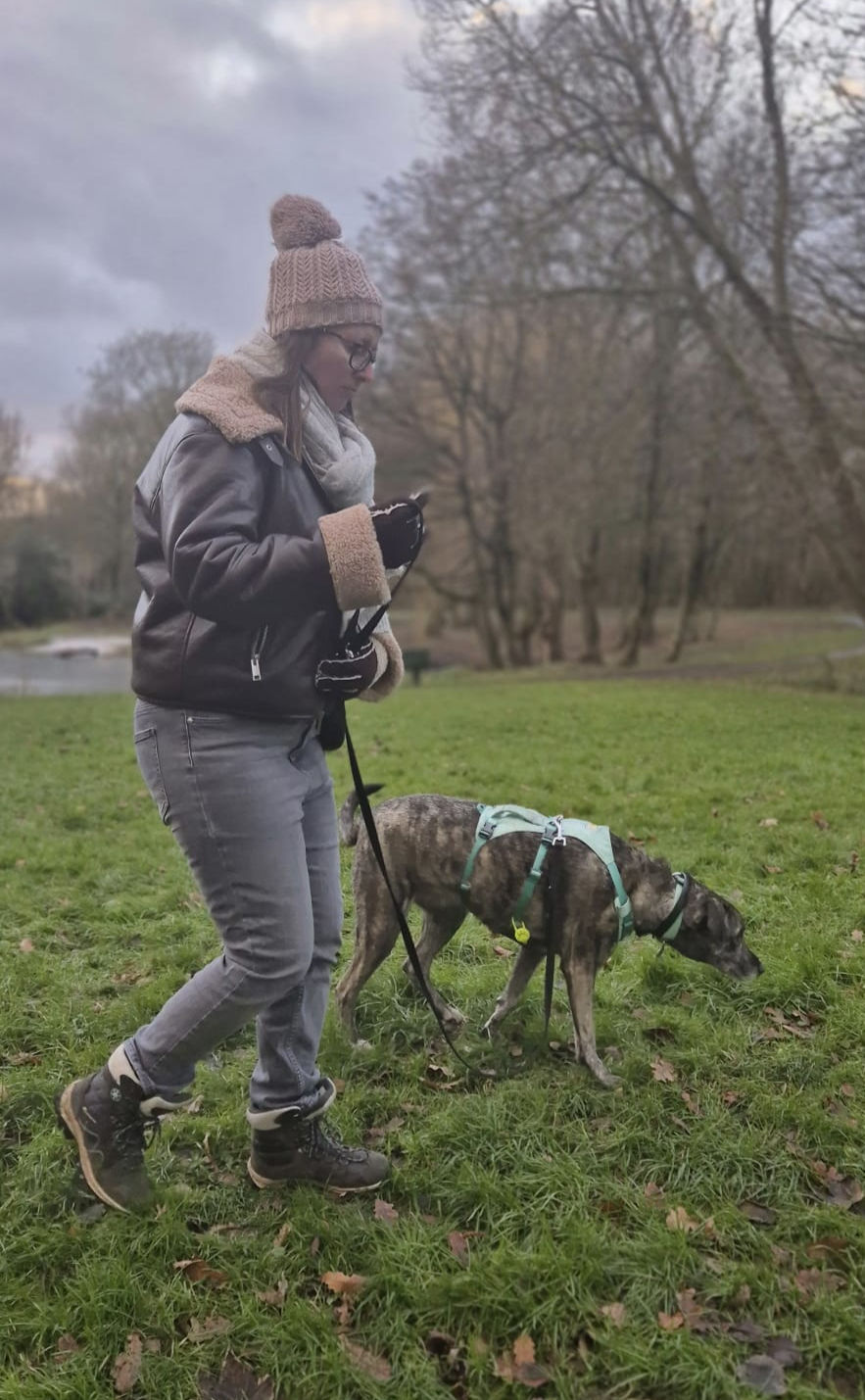
👉 If you want a clear, personalised plan for your dog, you can book a 1-2-1 session with me here:https://www.leadandfollowdogtraining.co.uk/121-dog-training
We’ll look at what’s actually going on for your dog and give you practical steps you can start using straight away, so you feel more in control and your dog feels calmer.
If your dog struggles to switch off or feels a bit on edge, I also recommend this calming collar as part of a wider plan:👉 https://amzn.to/4tiwTsG


Comments